
If you’re searching for a working Divi Discount, chances are you’ve already decided one thing.
You’re serious about building with Divi.
But before paying full price, you want to know:
Fair questions.
There are dozens of thin coupon pages online. Most repeat the same numbers without context. Some show expired codes. Others push fake countdown timers.
This guide is different.
We’ll cover:
Let’s start with what you came for.
In most cases, you do not need to enter a separate Divi Discount Code. The price is automatically reduced on the official Elegant Themes checkout page.
If you see discounted pricing displayed, the offer is active.
Simple.
Divi Discount vs Elegant Themes Coupon – Are They Different?
No. And this confuses many buyers.
Divi is the flagship product.
Elegant Themes is the company that sells it.
So when someone searches for:
They’re essentially looking for the same thing — reduced pricing on Divi.
What Exactly Do You Get With Divi?
Before we analyze discounts, we need to understand what you’re buying.
When you purchase Divi from Elegant Themes, you’re not just buying a theme.
You’re buying an ecosystem.
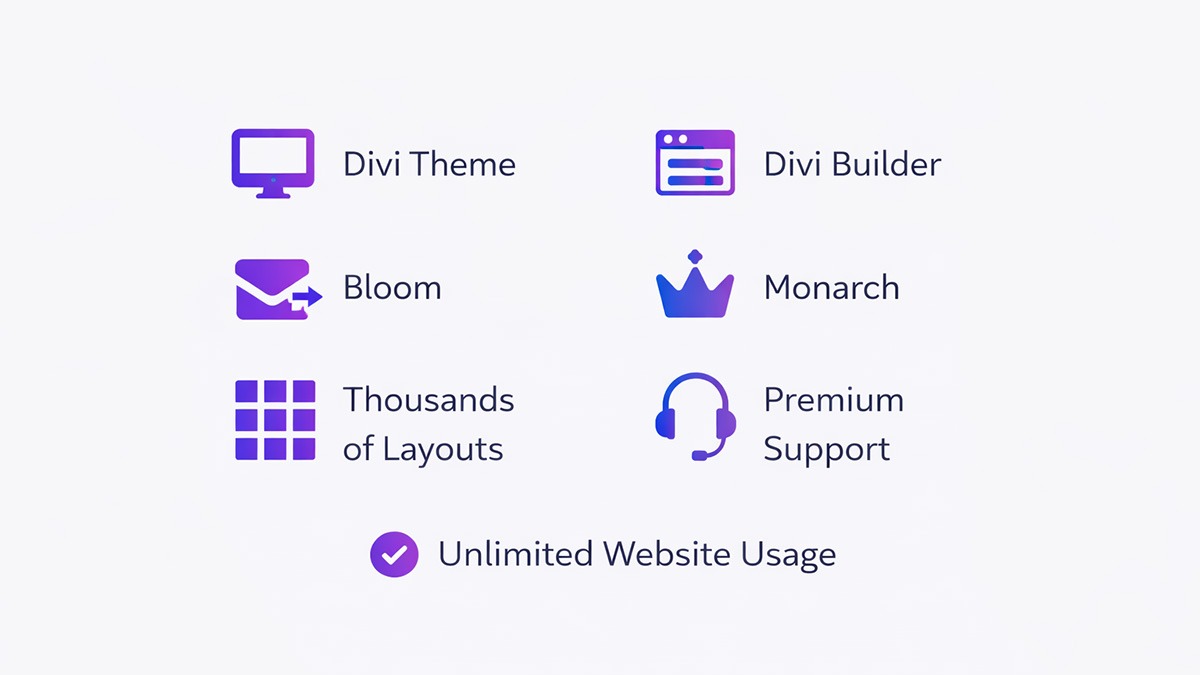
Your membership includes:
That last point matters more than most people realize.
Many WordPress builders charge per site or per domain. Divi allows unlimited usage under one license.
For freelancers and agencies, that changes the cost equation dramatically.
You can read our Elegant Themes Review to know more about Divi.
Divi Pricing Structure (With Discount Applied)
Now let’s break down pricing logically instead of emotionally.
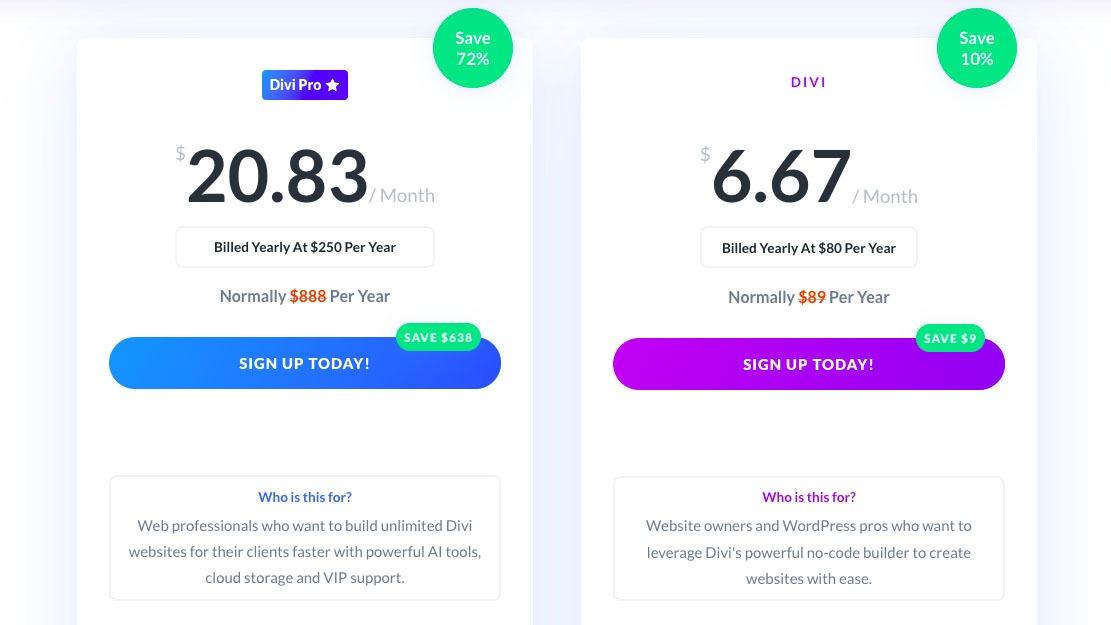
Annual Plan
The standard annual plan typically costs around $89 per year. With the Divi discount applied, it often drops to around $80.
You get:
After one year, you renew at the regular rate unless another promotion is running.
This plan makes sense for someone testing Divi or running a small project.
Lifetime Plan
The lifetime plan normally costs around $249 as a one-time payment. With the active Divi discount, it usually drops to around $224.
You get:
Here’s where logic kicks in.
If you use Divi for three years, the lifetime plan already becomes more economical than annual renewals.
Beyond that, it’s long-term savings.
And in a world of subscription fatigue, lifetime licensing feels refreshing.
Deep Technical Comparison – Divi vs Major Competitors
Now we move into serious territory.
If you’re investing in a builder, you need more than surface comparisons.
Let’s go deep.
Divi vs Astra + Elementor (Technical Perspective)
This is probably the most common comparison.
Astra is a lightweight theme.
Elementor is a powerful page builder.
Together, they form a flexible setup.
But here’s the difference.
Divi is integrated.
Astra + Elementor is modular.
Architecture
Divi combines theme and builder in one ecosystem. The visual builder is tightly integrated with the theme’s structure.
Astra + Elementor separates responsibilities. Astra handles layout structure and styling foundation. Elementor handles page design.
This modularity can be powerful — but it can also introduce complexity.
Performance Layer
Astra is extremely lightweight by default. Elementor adds scripts and styles per widget.
Divi loads its builder assets when needed and has improved dynamic CSS generation over the years.
In clean installs, Astra + Elementor may score slightly higher in raw performance tests.
However, in real-world builds with heavy design elements, both setups require optimization.
Cost Structure
Here’s something most comparisons ignore.
With Astra + Elementor Pro, you often pay:
Divi bundles everything under one membership.
And with a lifetime Divi discount applied, long-term cost often becomes lower.
Divi vs GeneratePress (Performance & Developer View)
GeneratePress is known for clean code and minimal footprint.
Developers love it because:
Divi, on the other hand, focuses on visual design flexibility.
From a technical standpoint:
GeneratePress keeps structural output minimal.
Divi creates more layered HTML because of its visual module system.
That doesn’t automatically mean “bad.”
It means different philosophy.
GeneratePress is framework-style minimalism.
Divi is visual design abstraction.
If you’re comfortable building with hooks, filters, and custom CSS, GeneratePress feels elegant.
If you prefer dragging modules and seeing instant visual results, Divi feels empowering.
Divi vs Kadence (Modern Builder Ecosystem)
Kadence has gained serious traction recently.
Its focus is speed, Gutenberg integration, and modern UI design.
Kadence feels lean and fast out of the box.
Divi feels mature and ecosystem-rich.
Kadence leans into block editing philosophy.
Divi leans into proprietary visual editing.
If you believe WordPress’s future is entirely block-based, Kadence aligns well.
If you prefer a complete independent builder ecosystem, Divi offers more control within its own framework.
Performance Reality – Is Divi Slow?
This question deserves nuance.
Divi historically had performance criticisms.
But recent updates introduced:
In real-world use, Divi’s speed depends on:
If you overload animations, use oversized images, and skip caching, any builder will struggle.
With proper optimization, Divi performs competitively for most business websites.
It may not always win synthetic benchmark tests against ultra-minimal themes.
But performance in practice is about implementation — not just theme choice.
Long-Term Value Analysis
Let’s shift from performance to economics.
Divi’s lifetime pricing model is rare.
Most competitors operate on subscription-only models.
If you’re building client sites, the lifetime plan can reduce your recurring tool stack costs significantly.
Instead of paying:
You pay once.
That changes long-term ROI.
However, lifetime only makes sense if you’re confident you’ll use Divi for years.
If you constantly switch tools, annual makes more sense.
Who Should Buy Divi?
Buy Divi if you value:
Avoid Divi if you prefer:
There’s no universal winner.
There’s alignment.
When Is the Best Time to Grab a Divi Discount?
The largest Divi discount promotions typically appear during:
Those sometimes offer the lowest lifetime pricing of the year.
But here’s a grounded thought.
If you’re launching a project now, waiting months to save $20 may cost more in lost progress.
Momentum matters.
Final Verdict – Is the Divi Discount Worth It?
If you’re serious about building with WordPress and want a powerful visual system, the Divi discount is absolutely worth considering.
You’re getting:
Just don’t buy because it’s discounted.
Buy because it aligns with how you want to build websites.
Discounts reduce risk.
Alignment builds success.